Forex trading, also known as foreign exchange trading, offers endless opportunities for individuals keen to invest in the global currency market. While it may seem intimidating at first, understanding the basics can be a stepping stone to success. Here’s a quick guide to help beginners start their Forex Trading journey.
Understanding Forex Trading Basics
Forex involves buying and selling currency pairs, such as EUR/USD or GBP/JPY. These pairs represent the value of one currency compared to another. Traders aim to profit from changes in these exchange rates, which are influenced by various factors such as economic news, market sentiment, and geopolitical events.
If you’re just starting out, take the time to learn the fundamental terminology. Get familiar with terms like “currency pair,” “bid price,” “ask price,” “spread,” and “lots.” Resources like books, webinars, and online articles can be invaluable in this stage of your learning.
Choose a Reliable Trading Platform
One of the first steps in your trading career is selecting a trading platform. Look for a platform with an easy-to-navigate interface, educational resources, and demo account access. A demo account is especially important as it allows you to practice trading with virtual funds, providing a risk-free environment to hone your skills.
Master Research and Analysis
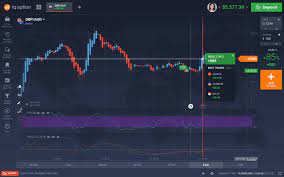
Successful forex trading requires careful research and analysis. Start with fundamental analysis, which examines macroeconomic factors like interest rates, inflation, and global events. Combine this with technical analysis, which focuses on reading price charts to understand historical trends and predict future movements. Most platforms provide charting tools and indicators to assist with technical analysis.
Set aside time daily or weekly to stay updated on economic news and trends. Develop the habit of analyzing market movements and identifying patterns.
Practice Risk Management
Risk management is key to long-term success in forex trading. Create a trading plan outlining your risk tolerance, goals, and strategies, and stick to it. Limit your trade sizes, and use tools like stop-loss orders to control potential losses. Never trade more than you can afford to lose, and keep your emotions in check while trading.
Start Small and Build Gradually
For beginners, starting with small trades is wise while you familiarize yourself with the market. Focus on gaining experience before attempting to scale up your investments. Always review your trades to learn from your mistakes and refine your strategy over time.
Forex trading may seem complex initially, but a structured approach, continuous learning, and disciplined trading can lay the foundation for success in this exciting market. Take your time, be consistent, and gradually build both your confidence and your trading expertise.
