Energy efficiency is an essential consideration for modern homeowners, especially when it comes to managing outdoor features like swimming pools. One often underestimated yet highly effective solution is the use of a Pool covering. Whether you have a standard in-ground pool or a custom-designed backyard oasis, adding a high-quality pool cover can significantly reduce energy consumption, lower maintenance costs, and promote sustainable living.
A primary benefit of pool covering is its ability to retain heat. Pools lose a significant amount of warmth through evaporation, especially during cool nights or windy days. By using a cover, heat loss is minimized, allowing the water to maintain a comfortable temperature for longer periods. This reduces the need for continuous heating, leading to noticeable savings on energy bills—particularly if you use electric or gas pool heaters.
Pool covers also play a vital role in minimizing water evaporation. In warmer climates, pools can lose several inches of water per week, requiring frequent refilling. A well-fitted cover acts as a barrier, drastically cutting down evaporation rates. Conserving water in this way not only supports eco-friendly practices but also reduces the strain on your water supply and associated costs.
Another energy-saving advantage comes from reduced chemical usage. When a pool is covered, it’s less exposed to sunlight and airborne debris. This helps maintain stable chemical levels, as sunlight breaks down chlorine more quickly when the pool is uncovered. By keeping the pool cleaner and better balanced, you’ll spend less on pool chemicals and filtration energy—benefiting both your wallet and the environment.
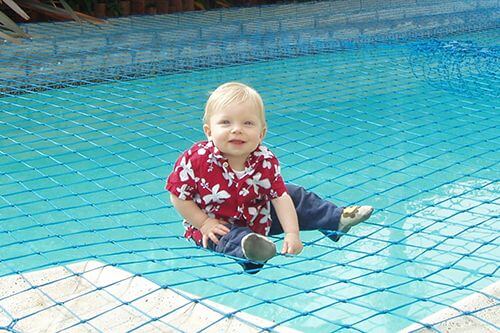
Safety is another important factor. Many pool covers are designed with safety in mind, offering strong, secure protection that prevents accidents involving children or pets. Choosing a cover that meets safety standards adds peace of mind, especially for families.
From a design perspective, modern pool covers come in various styles and materials, including automatic retractable systems, thermal blankets, and solar covers. These options can be selected based on your specific needs—whether you prioritize heat retention, solar gain, ease of use, or aesthetics.
Maintenance is also simplified with a cover. Less debris in the pool means fewer hours spent skimming and vacuuming, and reduced strain on the filtration system. This not only extends the life of your pool equipment but also contributes to overall home energy efficiency.
In conclusion, incorporating a pool cover is a smart, practical way to enhance your home’s energy efficiency. It supports water conservation, reduces heating and chemical costs, improves safety, and extends the usability of your pool—all while contributing to a more sustainable and cost-effective lifestyle.